

Overwatering is one of the most common pitfalls in indoor gardening, often leading to stressed, unhealthy plants. Understanding how to help plants recover from this condition is crucial for any plant enthusiast wanting to maintain a vibrant indoor garden. This guide will explore practical steps to identify, treat, and prevent overwatering, ensuring your green friends not only survive but thrive.
In this post, we’ll delve into the signs that indicate overwatering, immediate actions to remedy the situation, and long-term care strategies to strengthen your plants’ resilience. By learning the right techniques and adopting better watering habits, you can create an ideal environment that fosters healthy growth and vitality in your indoor plants.
Help Plants Stay Healthy by Recognizing 5 Common Signs of Overwatering
Recognizing the signs of overwatering is the first step in saving your indoor plants. Many gardeners, both novice and experienced, can inadvertently give their plants more water than they need, leading to several issues that compromise plant health. Here are the most common indicators that your plant may be overwatered:
- Soggy Soil: Consistently wet soil is a clear sign of overwatering. If the soil feels squishy or water pools on the surface long after watering, it’s likely your plant is getting too much.
- Yellowing Leaves: While many factors can cause leaves to yellow, overwatering is a common culprit. Overwatered plants often have leaves that turn yellow and become soft and limp.
- Wilting: Ironically, overwatered plants can wilt just as those underwatered do. If the plant’s leaves droop and the soil is wet, you may be dealing with overwatering.
- Mold or Algae on the Soil Surface: The presence of mold or algae on the soil surface indicates excessive moisture, which can harm plant roots and reduce air circulation within the soil.
- Root Rot: This is a more severe condition often resulting from prolonged overwatering. If the roots appear black and smell rotten, immediate action is needed to save the plant.
By keeping an eye out for these signs, you can quickly take steps to mitigate damage and begin the recovery process. Next, we’ll discuss immediate actions you can take to help your overwatered plants regain their health.
Immediate Actions to Help Plants Survive Overwatering
Once you’ve identified that your plant is overwatered, immediate action is crucial to prevent further damage and begin the recovery process. Here are some effective steps to help your plants recover from overwatering:
- Stop Watering: Pause any further watering to allow the soil to dry out. Check the moisture level in the soil by sticking your finger about an inch deep. If it feels wet, hold off on watering.
- Enhance Drainage: If your plant’s pot lacks adequate drainage, consider repotting the plant into a container with better drainage holes. Alternatively, you can add more drainage materials like organic perlite or coarse gravel to the existing pot.
- Remove Excess Water: Tilt the pot to gently pour out any standing water. If the saucer beneath the pot is filled with water, empty it to prevent the soil from reabsorbing moisture.
- Improve Air Circulation: Place the plant in a well-ventilated area to help dry out the soil. A fan can also be used to circulate air around the plant, but ensure it’s not placed too close to avoid stressing the plant further.
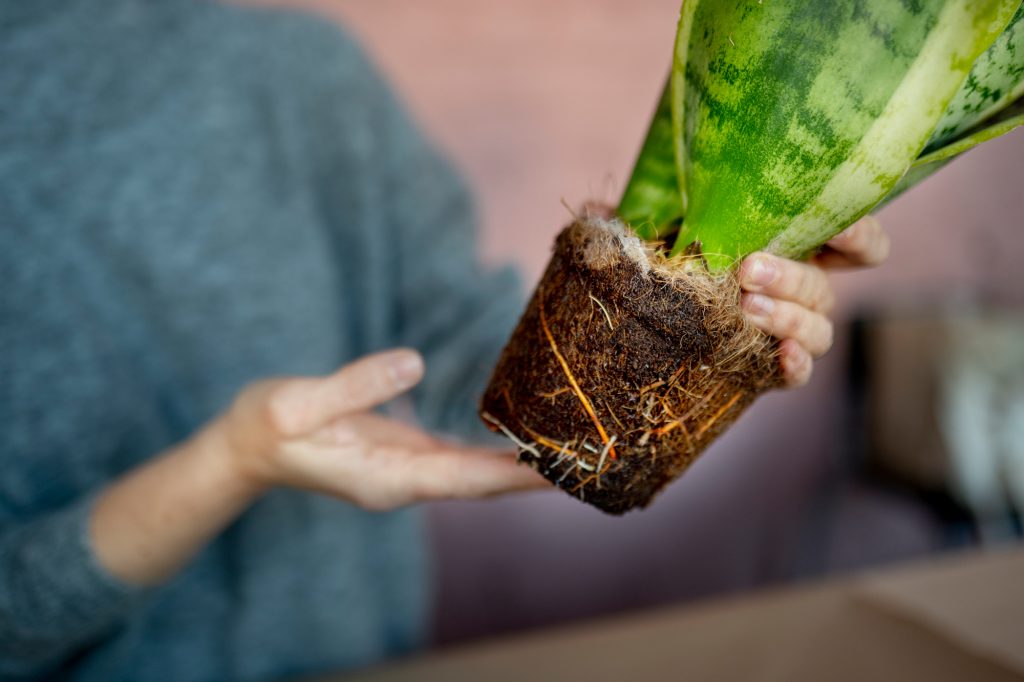
- Check for Root Rot: Carefully remove the plant from its pot and inspect the roots. Healthy roots should be firm and white or tan. If you find black or mushy roots, trim them off with sterile pruning shears, and treat the remaining healthy roots with a fungicide recommended for plants.
By taking these steps, you can help your plants recover from the effects of overwatering and return them to a path of healthy growth.
Assessing and Adjusting the Environment
Creating the right environment is key to preventing future overwatering issues and ensuring your plants’ long-term health. Here are some strategies to help plants by optimizing their growing conditions:
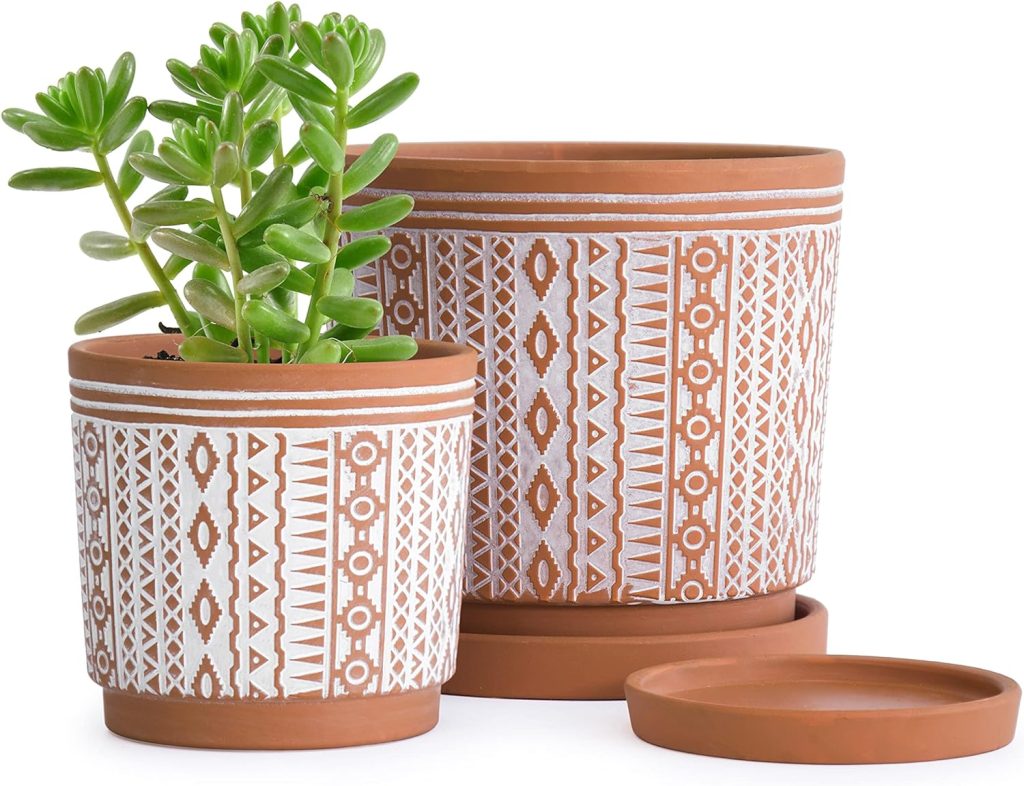
- Choose the Right Pot: Select a pot that suits the size of your plant. Oversized pots can retain excess water, leading to overwatering. Pots made of porous materials like terracotta or unglazed ceramic plant pots are excellent for moisture control.
- Improve Soil Composition: Amend your soil to enhance drainage. Mix in materials such as perlite, vermiculite, or coarse sand. These additives can prevent water from pooling and help the soil dry more evenly.
- Elevate Your Plant: Consider using a raised stand or pot feet to elevate your plant’s container. This improves drainage and prevents water from pooling at the bottom of the pot.
- Monitor Environmental Factors: Keep an eye on the humidity and temperature around your plants. High humidity and cooler temperatures can slow the rate of evaporation, leading to moist conditions that encourage overwatering.
- Adapt Watering to Seasons: Water needs can vary with seasons. Plants typically require less water in the cooler, darker months. Adjust your watering schedule accordingly and always check the soil moisture before watering.
By assessing and adjusting these environmental factors, you can create an ideal setting that helps plants thrive and avoids the pitfalls of overwatering.

Root Care to Help Plants Recover from Overwatering
After addressing the immediate concerns of overwatering, it’s important to help plants by ensuring their root systems are healthy and strong. Here’s how to care for the roots during recovery:
- Inspect the Roots: Gently remove your plant from its pot and examine the roots. Healthy roots are typically white or tan and feel firm. If the roots are brown, black, or mushy, they may be suffering from root rot.
- Trim Damaged Roots: Use clean, sharp scissors or pruning shears to cut away any rotten or overly soft roots. This helps prevent the spread of decay and encourages healthier root growth.
- Treat with Fungicide: After trimming, treat the remaining roots with a fungicide to protect against further fungal infections. Ensure the product is safe for use on indoor plants.
- Repot if Necessary: If a significant amount of root was removed, or if the soil condition is poor, repot your plant into fresh, well-draining potting mix. Choose a pot that’s appropriately sized for the plant’s current root system—too large a pot can lead to future overwatering issues.
- Gradual Reintroduction to Watering: Once repotted, water your plant lightly to settle the soil around the roots. Wait until the top inch of soil is dry before watering again, and adjust based on the plant’s response and environmental conditions.
Proper root care is essential in helping overwatered plants recover and regain their health. By taking these steps, you can give your plants the best chance to thrive post-recovery.

Long-Term Plant Care Adjustments
Ensuring your plants are well-maintained over the long term is crucial to their health and vitality. Here are some adjustments you can make to help plants avoid future overwatering and enhance their overall well-being:
- Adjust Watering Habits: Understand the specific water needs of each plant type. Some plants prefer to dry out completely between waterings, while others thrive with a consistently moist soil. Use your finger or a soil moisture meter to check the soil’s moisture level before watering.
- Use Tools to Monitor Conditions: Invest in a soil moisture meter to take the guesswork out of when to water. Additionally, consider a hygrometer to monitor humidity levels, especially in environments that are naturally humid or dry.
- Optimize Light Exposure: Ensure your plants are receiving the appropriate amount of light. Light affects how quickly soil dries, so adjusting plant placement can help manage soil moisture effectively.
- Review Fertilization Schedule: Overfertilized soil can exacerbate moisture issues and stress plants. Reduce the frequency and concentration of fertilizer applications, especially during the recovery period.
- Regularly Review Plant Health: Keep a regular schedule to inspect your plants for signs of stress or illness. Early detection can prevent many issues from worsening, including overwatering effects.
By making these long-term care adjustments, you can help plants not only recover from overwatering but also flourish in your indoor garden. These steps foster a healthier environment that promotes robust growth and minimizes future issues.
Wrapping It Up: Help Plants Revive and Thrive
Overwatering is a common issue that can lead to serious problems for indoor plants, but it’s also one that can be corrected with careful attention and specific actions. By recognizing the signs of overwatering, taking immediate steps to address the issue, and making long-term adjustments to your plant care routine, you can help plants recover and thrive. Remember, the key to successful indoor gardening is understanding and responding to the needs of your plants.
Join the Conversation: Share Your Plant Rescues!
Have you ever had to rescue a plant from overwatering? What strategies worked best for you? Share your experiences and tips in the comments below to help fellow gardeners. If you have questions or need advice on a specific situation, don’t hesitate to ask. Let’s grow our indoor gardening community together!