


Croton plants, scientifically known as Codiaeum variegatum, are renowned for their stunning, colorful foliage. These tropical plants boast a striking array of leaf colors, including vibrant reds, yellows, oranges, and greens, making them a popular choice for adding a bold splash of color to any indoor space. With their unique patterns and varied leaf shapes, Croton plants can serve as a focal point in home decor, drawing the eye and bringing a touch of the tropics indoors. This guide will provide you with all the essential tips and tricks for Croton houseplant care, ensuring your plants remain healthy and vibrant.
In this comprehensive guide, we will cover all aspects of Croton houseplant care, ensuring you have the knowledge to keep these vibrant plants healthy and thriving. We’ll also delve into the specific needs of nine distinct Croton varieties: Croton Mammey, Croton Petra, Croton Zanzibar, Croton Eleanor Roosevelt, Croton Dreadlocks, Croton Gold Dust, Croton Excellent, Croton Congo, and Stoplight Croton. By understanding the general care requirements and the particular needs of each variety, you can enjoy the full beauty and diversity of Croton plants in your home.
General Croton Houseplant Care Instructions
Proper croton houseplant care is essential to maintain the vibrant colors and overall health of Croton plants. In this section, we’ll cover the general care requirements that apply to all Croton varieties.
Light Requirements
Croton houseplant care begins with understanding their light needs. Crotons thrive in bright, indirect light. While some varieties can tolerate direct sunlight for a few hours, too much direct sun can scorch the leaves. Place your Croton near a window where it can receive filtered light, enhancing its vibrant colors without causing damage. Insufficient light can lead to dull, less colorful foliage.
Watering Needs
Regular watering is crucial for maintaining healthy Crotons. The soil should be kept consistently moist but not soggy. Allow the top inch of soil to dry out between waterings to prevent overwatering, which can lead to root rot. It’s important to establish a regular watering schedule, adjusting based on the season and humidity levels. In the warmer months, Crotons may require more frequent watering, while in cooler months, you can reduce the frequency.
Humidity and Temperature for Croton Houseplant Care
Crotons prefer a humid environment and warm temperatures between 60°F and 85°F (15°C to 29°C). Low humidity can cause the leaves to dry out and drop, so maintaining adequate humidity is essential. You can increase humidity by misting the leaves regularly, placing a humidifier nearby, or using a pebble tray with water. Additionally, avoid placing your Croton near drafts or in areas with sudden temperature changes, as they are sensitive to cold.
Soil and Fertilization for Croton Houseplant Care
For optimal croton houseplant care, use a well-draining soil mix. A combination of potting soil, peat, and perlite provides the necessary drainage to prevent waterlogged roots. Fertilize your Croton monthly during the growing season (spring and summer) with a balanced liquid fertilizer. This helps promote healthy growth and maintains the plant’s vibrant foliage. During the fall and winter, you can reduce the frequency of fertilization.
Pruning and Maintenance
Regular pruning is an important part of croton houseplant care. Pruning helps maintain the plant’s shape and removes any damaged or dead leaves. Use clean, sharp scissors or pruning shears to make clean cuts and avoid harming the plant. Pruning also encourages bushier growth, making your Croton fuller and more attractive. Be mindful of the plant’s sap, which can be irritating to the skin; wearing gloves during pruning is recommended.
Pest Control in Croton Houseplant Care
Like many houseplants, Crotons can be susceptible to pests such as spider mites, mealybugs, and scale. Regularly inspect your plant for signs of infestation, such as tiny webs, white cottony masses, or sticky residue on the leaves. If you detect pests, treat your Croton promptly with insecticidal soap or neem oil. Maintaining proper croton houseplant care, such as appropriate watering and humidity levels, can also help prevent pest issues.
Repotting Croton Plants
Repotting is necessary every 2-3 years or when your Croton outgrows its container. Signs that your plant needs repotting include roots growing out of the drainage holes or the plant becoming top-heavy. Choose a pot that is slightly larger than the current one and refresh the soil to provide new nutrients. Repotting not only gives the roots more space to grow but also helps rejuvenate the plant by providing fresh soil.
By following these general care instructions, you can ensure your Croton plants remain healthy and vibrant. Next, we’ll explore the specific needs of nine distinct Croton varieties, highlighting any unique care considerations for each type.
Special Croton Houseplant Care Considerations for Different Varieties
Each Croton variety has its unique characteristics and may have specific care requirements. While the general care instructions apply to all, paying attention to the particular needs of each variety can enhance their beauty and health.
Croton Mammey
Croton Mammey is known for its striking, multi-colored leaves that twist and turn. This variety thrives in bright, indirect light but can also tolerate some direct sunlight, which helps maintain its vibrant colors. Ensure the soil remains moist but not soggy, and increase humidity around the plant through regular misting or using a humidifier. Croton Mammey benefits from slightly higher humidity levels compared to other varieties.

Croton Petra
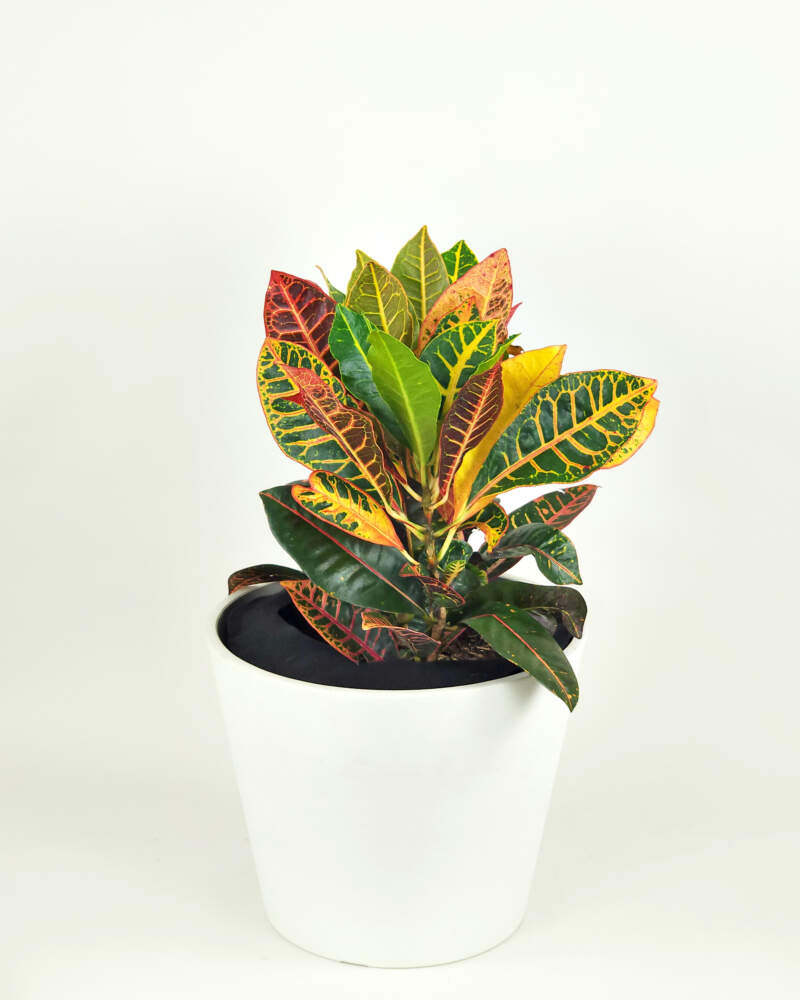
Petra Croton features broad leaves with a mix of green, yellow, red, and orange hues. It prefers bright, indirect light but can handle a few hours of direct sunlight each day. Water regularly to keep the soil consistently moist, and avoid letting it dry out completely. Petra’s bold colors can fade in low light conditions, so ensure it gets sufficient light for the best appearance.
Croton Zanzibar
With its long, narrow leaves in a mix of green, red, and orange, Croton Zanzibar adds a unique texture to any space. This variety prefers bright, indirect light but can tolerate lower light levels better than some other Crotons. Watering should be consistent, allowing the top inch of soil to dry out between waterings. While it can handle lower humidity, occasional misting helps keep its leaves healthy.

Croton Eleanor Roosevelt

Croton Eleanor Roosevelt stands out with its elongated leaves and yellow spots. It enjoys bright light and regular watering, similar to other Croton varieties. Ensure the soil is well-draining to prevent root rot, and avoid waterlogged conditions. This variety can benefit from occasional fertilization during the growing season to maintain its vibrant foliage.
Croton Dreadlocks
Croton Dreadlocks is characterized by its twisted, corkscrew-like leaves, making it a unique addition to any plant collection. This variety requires consistent moisture and higher humidity levels to thrive. Regular misting and using a pebble tray with water can help maintain the necessary humidity. Pruning helps manage its unique growth pattern and keeps the plant looking neat.

Croton Gold Dust

Croton Gold Dust features dark green leaves speckled with golden yellow spots. It thrives in bright, indirect light and high humidity. To maintain its striking appearance, mist the leaves regularly and ensure the soil stays moist but not soggy. This variety is particularly susceptible to spider mites, so regular inspection and prompt treatment are essential.
Croton Excellente
This variety has broad, lobed leaves with a mix of green, yellow, red, and purple. Croton Excellente thrives in bright, indirect light and needs regular watering to keep the soil consistently moist. High humidity levels are also important, so misting the leaves and using a humidifier can help. Fertilize monthly during the growing season to support its colorful foliage.

Croton Congo
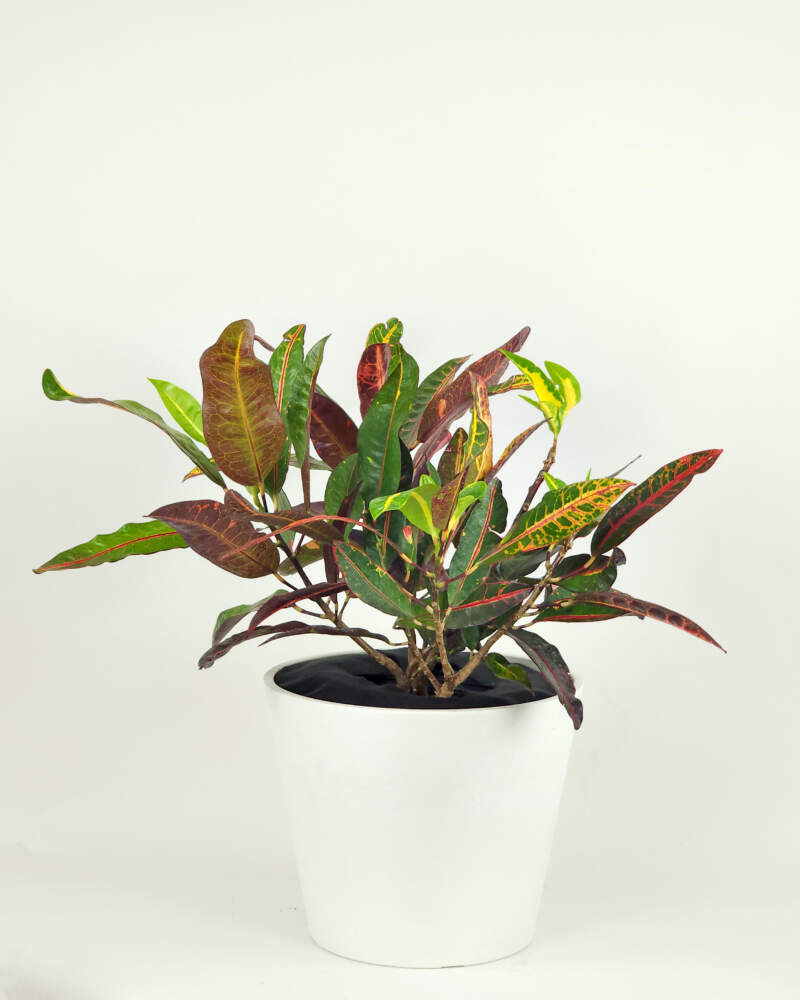
Croton Congo is distinguished by its large, dark green leaves with red veins. It prefers bright, indirect light and high humidity. Regular misting and even watering are crucial for this variety, as it is sensitive to dry conditions. Avoid placing it in areas with cold drafts or sudden temperature changes, as it can be more sensitive than other varieties.
Stoplight Croton
Stoplight Croton is named for its vivid red, yellow, and green foliage. It thrives in bright, indirect light and needs consistent moisture and high humidity to maintain its vibrant colors. Ensure the soil remains evenly moist, and mist the leaves regularly. This variety can also benefit from occasional fertilization during the growing season to keep its colors bright and healthy.
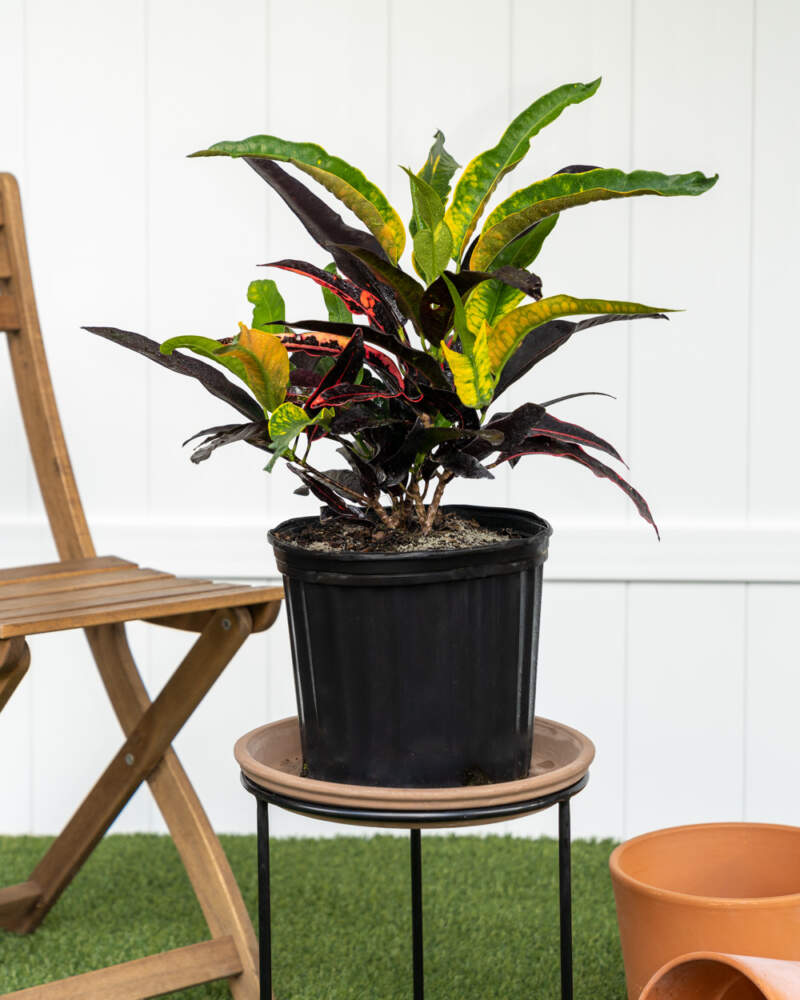
By addressing the specific needs of each Croton variety, you can ensure they all thrive and add their unique beauty to your home. With the right croton houseplant care, these vibrant plants can become stunning focal points in your indoor garden.
Bringing It All Together: Mastering Croton Houseplant Care
Caring for Croton plants involves a blend of attention to detail and a deep appreciation for their vibrant beauty. By understanding the general care requirements—such as light, watering, humidity, temperature, soil, fertilization, pruning, pest control, and repotting—you can ensure your Crotons remain healthy and visually stunning. Each variety, from the twisted leaves of Croton Dreadlocks to the spotted beauty of Croton Gold Dust, has unique characteristics that may require slightly different care approaches.
Embracing the special needs of each Croton variety allows you to enjoy their full potential, turning your indoor space into a tropical haven. Consistent croton houseplant care, including regular inspections and adjustments to their environment, will keep your plants thriving. Remember, the key to successful Croton care is to provide the right balance of light, moisture, and nutrients, coupled with a bit of patience and love.
With the tips and insights provided in this guide, you’re well-equipped to cultivate a vibrant and healthy collection of Croton plants. Enjoy the process of nurturing these colorful beauties, and they will reward you with their spectacular foliage and unique charm, transforming your home into a lively, tropical paradise. Happy gardening!